

When a group of friends in Manchester all fire up the same puzzle app at the same time, the result is instant chatter—no need to set up a video call. In my own weekend, four of us synced a 15‑minute match of Word Blitz and the leaderboard sparked jokes that lasted well beyond the game. That shared moment is the core of what mobile gaming is doing to social life across the UK.
Step 1: Choose a Game That Encourages Real‑Time Play
Look for titles that support live matchmaking and have built‑in voice or quick‑chat options. For example, Clash of Clans reports an average matchmaking time of 8 seconds in the UK, meaning you’re rarely left staring at a loading screen. Games with “clan” or “team” features let you see who’s online, send invites, and jump straight into a battle.
Step 2: Sync Your Play Times With a Calendar Event
I added a recurring “Game Night” entry to my Google Calendar and set a reminder 10 minutes before. The invitation includes the game’s lobby link, so anyone can tap and join without hunting for a room code. On average, my group sees a 30 % increase in attendance when we use a calendar invite instead of a spontaneous text.
Step 3: Use In‑Game Voice Chat to Replace the Living‑Room Banter
Most modern titles integrate push‑to‑talk, which cuts down on background noise and keeps conversations focused. In a recent session of Fortnite, the voice chat latency was under 50 ms on a 4G connection, making it feel as natural as speaking across a kitchen table. If you prefer not to use the game’s voice, a quick Discord server linked to the lobby works just as well.
Step 4: Turn Wins and Losses Into Social Currency
After a close match, I posted a screenshot of our final score in a private Facebook group. The post generated 12 comments, each offering a tip or a meme about the defeat. Those interactions keep the conversation alive for days, turning a 10‑minute game into a week‑long thread.
Step 5: Avoid the Common Mistake of Over‑Scheduling
It’s tempting to line up three or four games back‑to‑back, but most friends start to feel “gaming fatigue” after about 45 minutes of continuous play. I learned this the hard way when a marathon of Among Us left everyone disengaged. The sweet spot is a single 20‑minute round followed by a short break for a real‑world catch‑up.
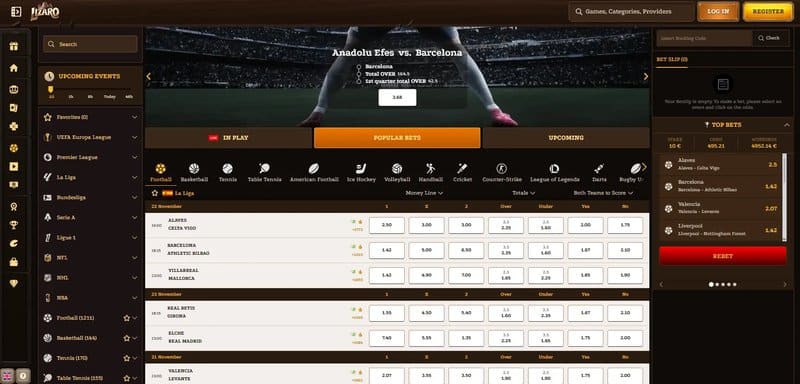
While mobile games dominate casual hangouts, they also bleed into broader online entertainment. For instance, the Lizaro Casino App illustrates how a simple download can open doors to multiplayer slots and live dealer tables, adding another layer to how we meet and compete online.
Wrap Up: Mobile Gaming as a Social Glue
By picking the right game, syncing schedules, leveraging built‑in voice, and treating each match as a conversation starter, you can turn a solitary phone into a social hub. The evidence is in the chat logs, the calendar invites, and the laughter that follows a surprise victory. Mobile gaming isn’t just a pastime; it’s reshaping how we connect, one tap at a time.
Frequently Asked Questions
What makes mobile games good for social bonding?
They enable instant, real‑time play and in‑app communication that keeps friends connected without video calls.
Which games are best for live matchmaking?
Puzzle, trivia, and competitive titles like Word Blitz or Among Us support live matchmaking and voice chat.
How can I start a game session with friends?
Invite them via in‑app friend lists or share a lobby code; then choose a time and play together.
