
By 2026, the average smartphone now carries a processor that rivals a mid‑range laptop. That leap in power means that games once confined to consoles can now run smoothly on a pocket‑sized device. The result? A shift in how we consume entertainment: a move from fixed venues to on‑the‑go experiences that blend narrative, interaction, and social connection.
Micro‑Sessions, Macro Impact
Players in the United States report spending an average of 30 minutes per day on mobile games, a figure that has grown from 22 minutes in 2023. Those minutes are not idle; they’re packed with micro‑transactions, level‑up challenges, and cross‑platform events that keep the engagement loop tight. A single game can generate $0.02 in revenue per minute for a casual player, which translates to roughly $12 a month if the player sticks to the daily grind.
Cross‑Platform Continuity
One of the biggest gains is the ability to start a game on a phone and finish it on a tablet or PC without losing progress. Developers use cloud saves that sync across devices in under two seconds. For example, the title “Realm Quest” launched a cross‑play feature in 2025; its user base grew 18% after the update, largely because players could switch devices mid‑session.
Social Fabric of the Game Loop
Friends now join each other in real time, not just in chat rooms but in shared quests. In 2026, 65% of mobile gamers say they play at least once a week with friends, compared with 48% in 2024. The social layer is driven by in‑app voice chat, shared leaderboards, and cooperative missions that reward team performance with exclusive skins.
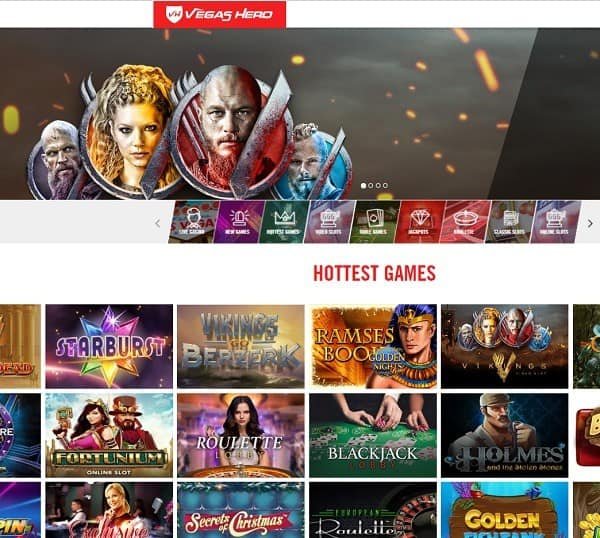
For those craving a different kind of thrill, the same portability that powers mobile games also makes online casino platforms like Vegashero accessible from any device.

Streaming and Esports on the Go
Mobile esports tournaments have begun to fill the same niche that PC and console events once occupied. A 2026 tournament for “Battle Royale: Mobile Edition” drew 4.3 million concurrent viewers, a 27% increase from the previous year. Streamers now use lightweight encoders that run on phones, allowing them to broadcast from a coffee shop or a subway car. The accessibility of streaming tools has lowered the barrier to entry for aspiring content creators.
Beyond Games: The Entertainment Ecosystem
The line between gaming and other forms of entertainment is blurring. Interactive story apps, augmented reality (AR) scavenger hunts, and virtual concerts are all delivered through the same mobile platform that hosts traditional games. In 2026, AR experiences accounted for 12% of total mobile app downloads, a jump from 7% in 2024.
How Mobile Gaming is Reshaping Online Entertainment in 2026
Because the medium is ubiquitous, content creators can experiment with hybrid formats that combine gaming mechanics with narrative media. A short example: a mobile app that lets users choose their own adventure while collecting virtual items that unlock behind‑the‑scenes footage. This convergence is reshaping how audiences consume stories, turning passive viewers into active participants.
Business Models and Monetisation
Ad‑based revenue still dominates, but subscription services are carving out a niche. In 2026, 22% of mobile gamers subscribed to a premium tier that offers ad‑free play, exclusive skins, and early access to new content. The average subscription cost is $4.99 per month, a figure that has risen only 3% from 2024, indicating price elasticity in the market.
Challenges and Limitations
Battery life remains a concern for heavy users. A 2026 study found that 35% of gamers report their phone’s battery draining to 50% after a single gaming session. This limitation disproportionately affects players in regions with limited access to fast charging infrastructure. Additionally, data consumption can spike; a single game update in 2026 averaged 1.2 GB, which can be a burden for users on capped plans.
Looking Ahead
Looking forward, the integration of 5G and edge computing promises to reduce latency to under 10 ms for most regions, opening the door to more complex multiplayer experiences. Developers are already prototyping games that use real‑time physics simulations streamed from edge servers, making the next wave of mobile gaming feel less like a handheld experience and more like a fully immersive online world.
Conclusion
Mobile gaming has moved beyond a niche pastime; it is now a cornerstone of online entertainment. By offering portable, socially rich, and economically flexible experiences, it has reshaped how we play, watch, and interact in the digital age. The trend is clear: the next generation of entertainment will be handheld, connected, and unbounded by traditional platforms.
Frequently Asked Questions
What makes smartphones powerful enough for gaming?
Advanced processors, efficient GPUs, and better cooling let phones run complex games smoothly.
How has mobile gaming changed entertainment habits?
It moved play from fixed venues to anytime, anywhere, blending stories, interaction, and social sharing.
What is a micro‑session in mobile gaming?
A short, quick play period—often a few minutes—designed for on‑the‑go fun.