


The Art of Reposting: Mastering Posts, Reels, and Videos on Social Media
The ever-evolving world of social media has transformed how we communicate, share, and engage with content. One of the most vital strategies for success in this digital landscape is the art of reposting. Whether it’s traditional posts, vibrant Reels, or captivating videos, understanding how to effectively repost content can significantly enhance your social media presence. Learn how to repost posts, Reels, and videos, maintain engagement, and build a loyal following.
Why Repost?
Reposting serves several crucial purposes in the realm of social media. First and foremost, it allows you to leverage already popular content, which can help improve your visibility and engagement rates. When you repost a high-quality post or video from someone else, you’re essentially endorsing their work while simultaneously providing value to your audience. This technique can also lead to further collaboration with content creators and may open doors for partnerships.
Understanding the Types of Social Media Content
In order to master reposting, it’s essential to understand the different types of content available. Let’s break them down:
- Static Posts: These include images and text, typically found in your feed. A well-designed image or informative text post can resonate with your audience and is often shared widely.
- Videos: Dynamic videos are crucial in today’s social media landscape. They tend to engage viewers more effectively than static content, making them valuable for reposting.
- Reels: Short video clips designed for quick consumption, Reels are particularly popular on platforms like Instagram. They offer a unique way to connect with followers through creativity and humor.
Best Practices for Reposting
While reposting can be beneficial, it’s essential to follow best practices to ensure you’re being respectful to original creators and maximizing your engagement. Here are key steps to consider:
1. Obtain Permission
Always ask for permission before reposting someone else’s content. This not only shows respect for the original creator but also establishes goodwill, which can lead to potential collaborations.
2. Credit the Original Creator
When you repost, make sure to credit the content creator clearly. Tagging them in your post and mentioning them in the caption can significantly benefit both parties. This practice not only ensures transparency but also encourages others to repost your content in return.
3. Choose High-Quality Content
Quality matters in social media. Select posts, Reels, or videos that align with your brand aesthetics and values. High-quality content is more likely to resonate with your audience and encourage shares.

4. Engaging Captions
Include an engaging caption when reposting to encourage interaction from your followers. A well-thought-out caption can prompt discussions or provoke thoughts that elevate your social media game’s effectiveness.
5. Timing is Key
Consider when to repost content. Pay attention to your audience’s activity and engagement patterns. Posting during peak times can lead to better visibility and interaction.
Using Tools for Reposting
There are various tools available that can help streamline the reposting process. These tools not only make it easy to share content but can also help manage your social media strategy more efficiently. Here are some popular options:
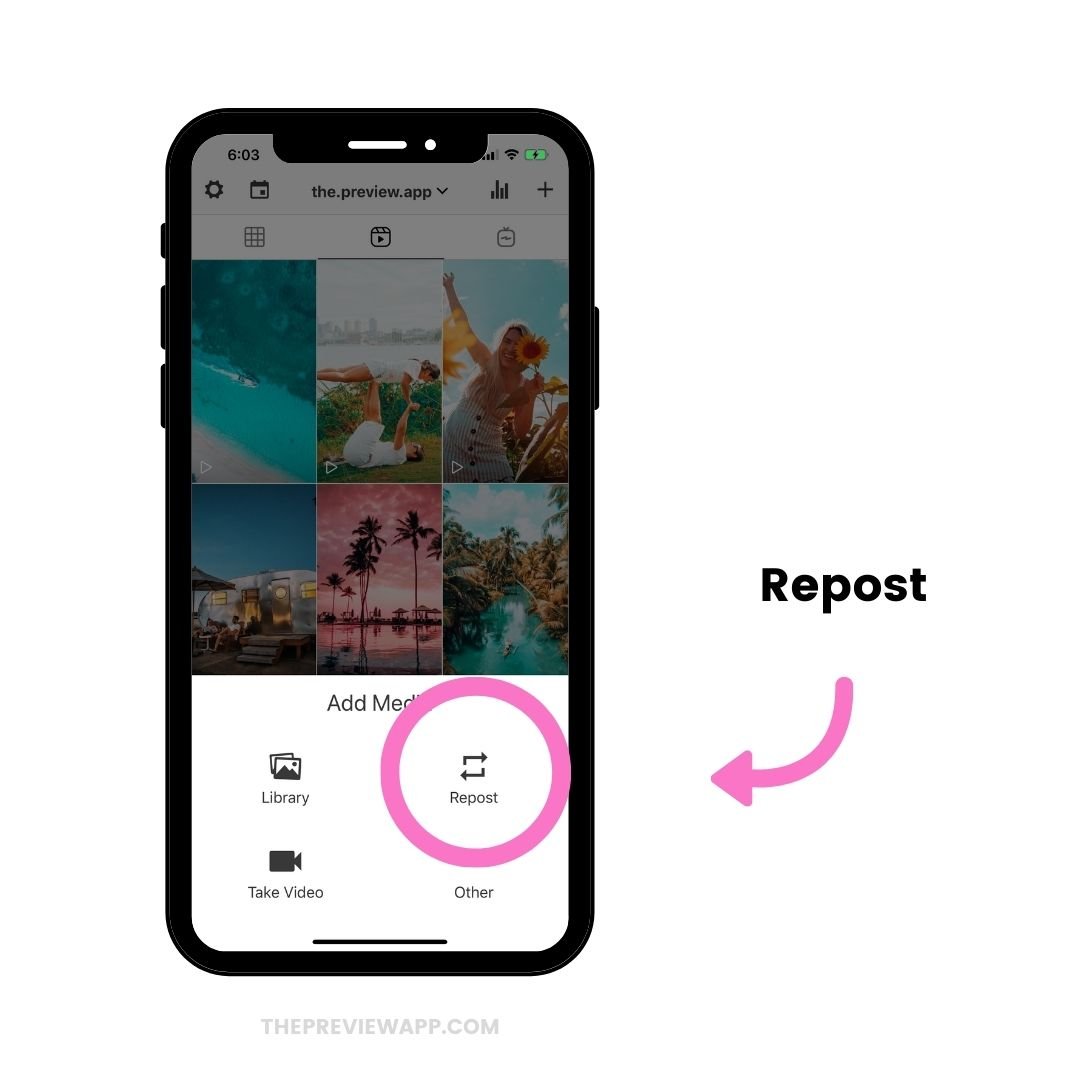
- Repost Apps: Several mobile apps allow you to repost content directly on platforms like Instagram. They typically make it easy to credit the original creator and maintain formatting.
- Social Media Management Tools: Tools like Buffer and Hootsuite allow for planning and scheduling of reposts to ensure optimal timing and greater efficacy in reaching your audience.
- Content Libraries: Creating a library of potential posts, videos, and Reels can help you streamline your reposting strategy. Organizing the content by categories or themes allows for easy access and timely reposting.
Challenges of Reposting
Despite the benefits, reposting does come with its own set of challenges. Here are a few to keep in mind:
- Intellectual Property Issues: Failing to properly credit creators can lead to controversies or legal troubles. Always prioritize creators’ rights.
- Maintaining Originality: Constantly reposting may lead your audience to question your originality. Balance your reposts with original content that showcases your brand’s voice.
- Risk of Repetition: Reposting can sometimes lead to redundancy, where your audience might see similar content scattered across various profiles. Mixing up your sources and selecting diverse types of content can remedy this.
Conclusion
In the fast-paced and competitive world of social media, mastering the art of reposting can enhance your visibility and engagement while fostering relationships within the community. By focusing on quality content, respecting original creators, and utilizing tools to aid your strategy, you can effectively incorporate reposting into your social media routine. Embrace this art form, and watch as your online engagement flourishes. Remember, the goal is not just to repost, but to create a thriving ecosystem of shared ideas and connections across platforms.

